(From Divine Origins to Living Heritage)
(From Divine Origins to Living Heritage)
The Tembuzi Dynasty – Dawn of Civilization (Pre-13th Century)
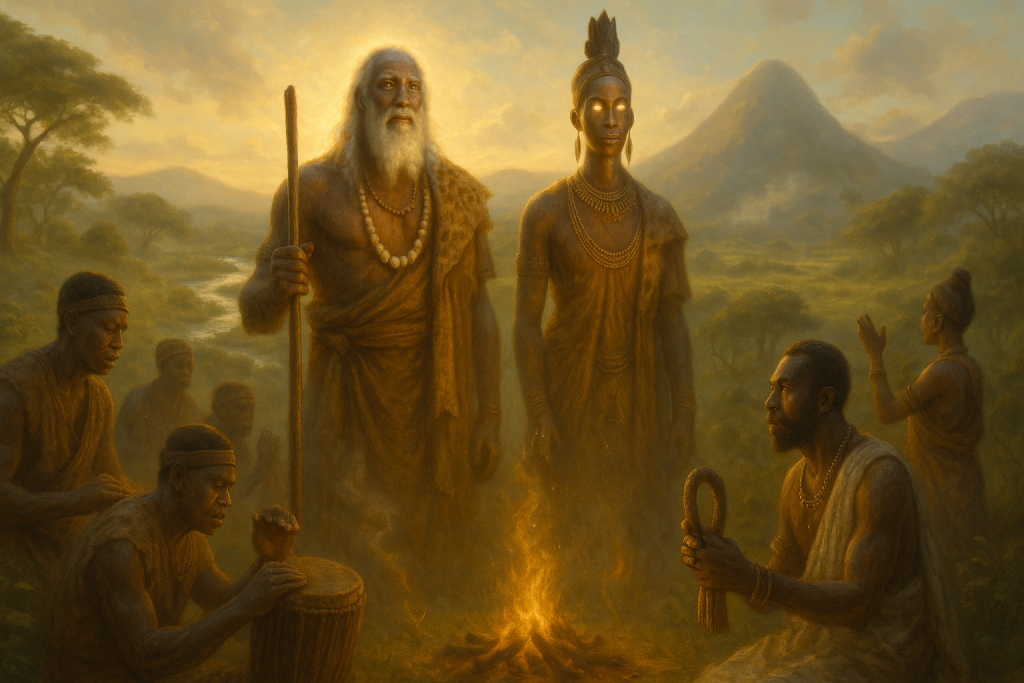
The story of Bunyoro-Kitara begins with the mystical Tembuzi Dynasty, believed to have ruled in prehistoric times. These early rulers are considered demigods—ancestral spirits linked to the land’s sacred geography. Though shrouded in myth, they are credited with laying cultural and spiritual foundations—introducing early governance, clan organization, and sacred rituals that echo in modern Bunyoro traditions.
The Chwezi Dynasty – The Golden Age of the Kitara Empire
Following the Tembuzi came the Chwezi Dynasty, legendary rulers whose legacy blends myth and history. They expanded the Empire of Kitara into a pan-regional power, administering vast territories across East and Central Africa. The Chwezi were known for spiritual authority, building earthworks, roads, and shrines. Sites like Bigo bya Mugenyi still intrigue archaeologists and spiritual pilgrims alike.
The Babiito Dynasty – Rise of Bunyoro as a Kingdom (C. 1500 AD onward)
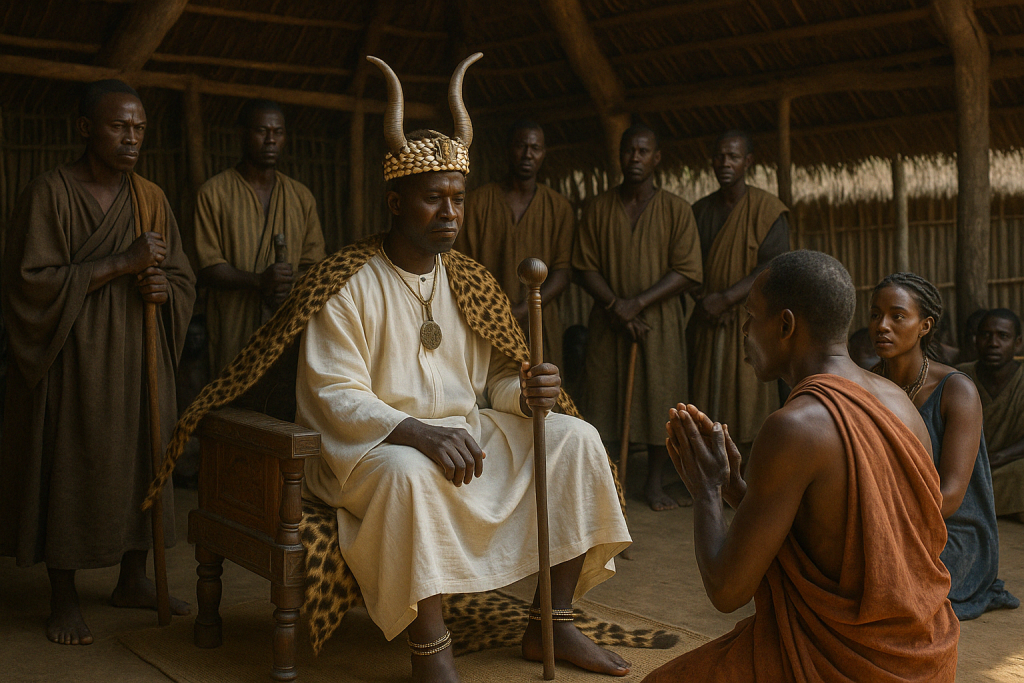
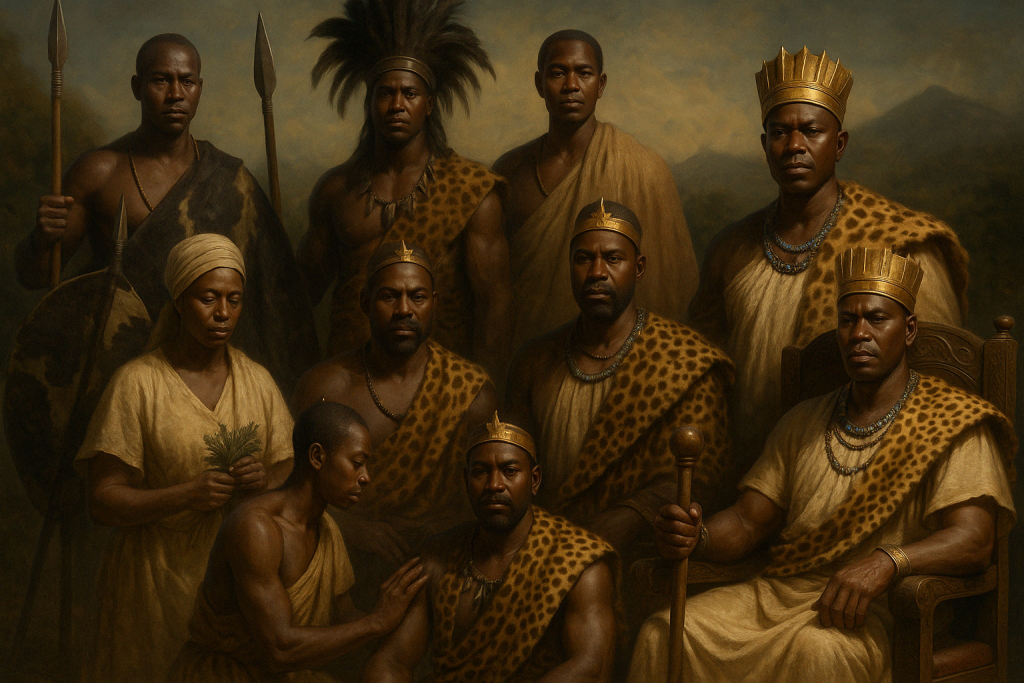
After the Chwezi mysteriously vanished, power shifted to the Babiito Dynasty, who founded the Kingdom of Bunyoro-Kitara. Under the Babiito kings (Abakama), Bunyoro emerged as a powerful, centralized kingdom dominating the Great Lakes region. Its wealth came from iron melting, salt mining (especially from Kibiro), agriculture, and international trade.
Political and Social Organization
The Babiito Dynasty, founded by Omukama Rukidi Mpuga in the 14th century, succeeded the Bachwezi and continues to this day. Rukidi’s twin brother, Kato Kimera, went on to found the Babiito lineage in Buganda. The Babiito ruled Bunyoro through a well-structured political system that included appointed chiefs at county, sub-county, and village levels, all reporting to the Omukama.
Bunyoro society was clan-based, with clearly defined roles:
The Omukama (King) held supreme power—executive, judicial, and legislative—and was revered almost like a divine being. His subjects supported him with food and services. A Prime Minister (Omuhikirwa/Katikiiro) coordinated the civil administration, receiving reports from county chiefs and advising the King.
Economic Prosperity
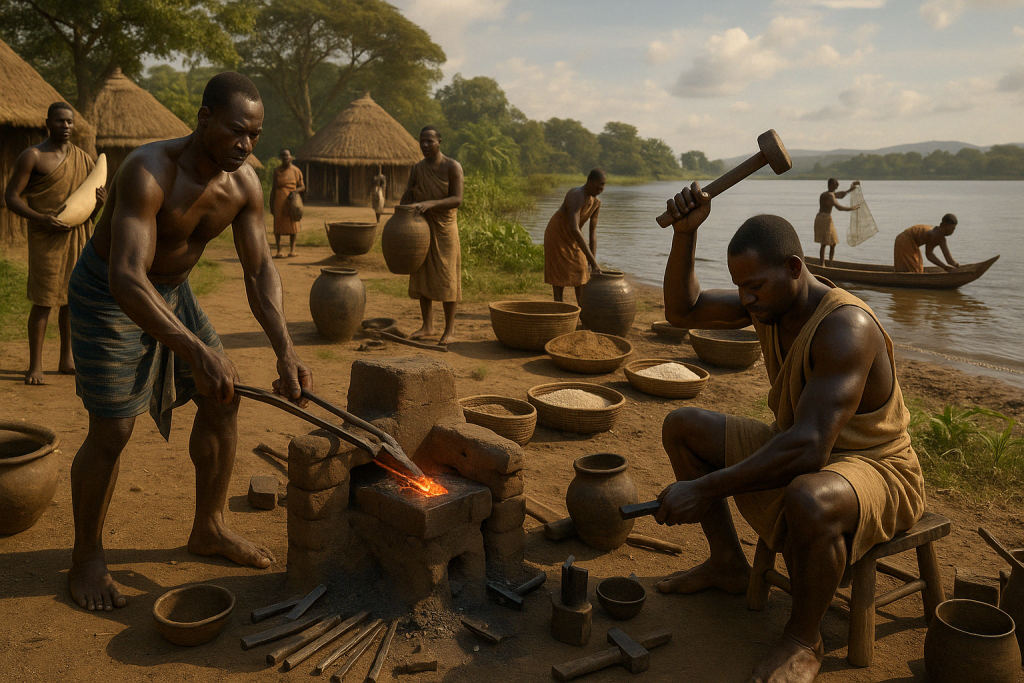
Bunyoro’s fertile lands supported intensive agriculture, producing food for internal consumption and regional trade. People used traditional hoes, and barter trade was common. Fishing along Lake Mwitanzige (Lake Albert) and salt mining at Kibiro were essential economic activities. The Bagungu, the lake-dwelling Banyoro, were renowned fishermen, while women processed salt—then as valuable as gold.
The Banyoro were also metallurgists, producing tools, weapons, and household items from iron, wood, hides, and pottery. The arrival of the Bachwezi expanded cattle herding, and the community’s salt and iron attracted long-distance trade, especially in ivory, which Bunyoro exchanged for firearms.
Diplomatic Power and International Trade
Bunyoro was once a diplomatic giant, engaging in strategic alliances with Arab and Swahili traders from the East African coast. It was a vital player in the trade of salt, iron tools, ivory, and hides. The kingdom also hosted emissaries from Sudan, Ethiopia, and Zanzibar, maintaining regional influence through marriage diplomacy, tribute systems, and military pacts. The capital, Buleega, was a cosmopolitan hub long before colonial penetration.
Medical Ingenuity – The Caesarean Section in Pre-Colonial Africa
One of Bunyoro’s most fascinating historical feats was its practice of successful Caesarean sections, centuries before such procedures were safely performed in Europe. British explorer R.W. Felkin in 1879 documented a live C-section in Bunyoro where the mother and child both survived. The procedure used banana wine as an antiseptic and anaesthetic, sharp iron knives sterilized by fire, and meticulous surgical technique. This exceptional case showcased Bunyoro’s advanced understanding of medicine and hygiene, debunking colonial myths of African primitiveness.
Military Strength and Innovation
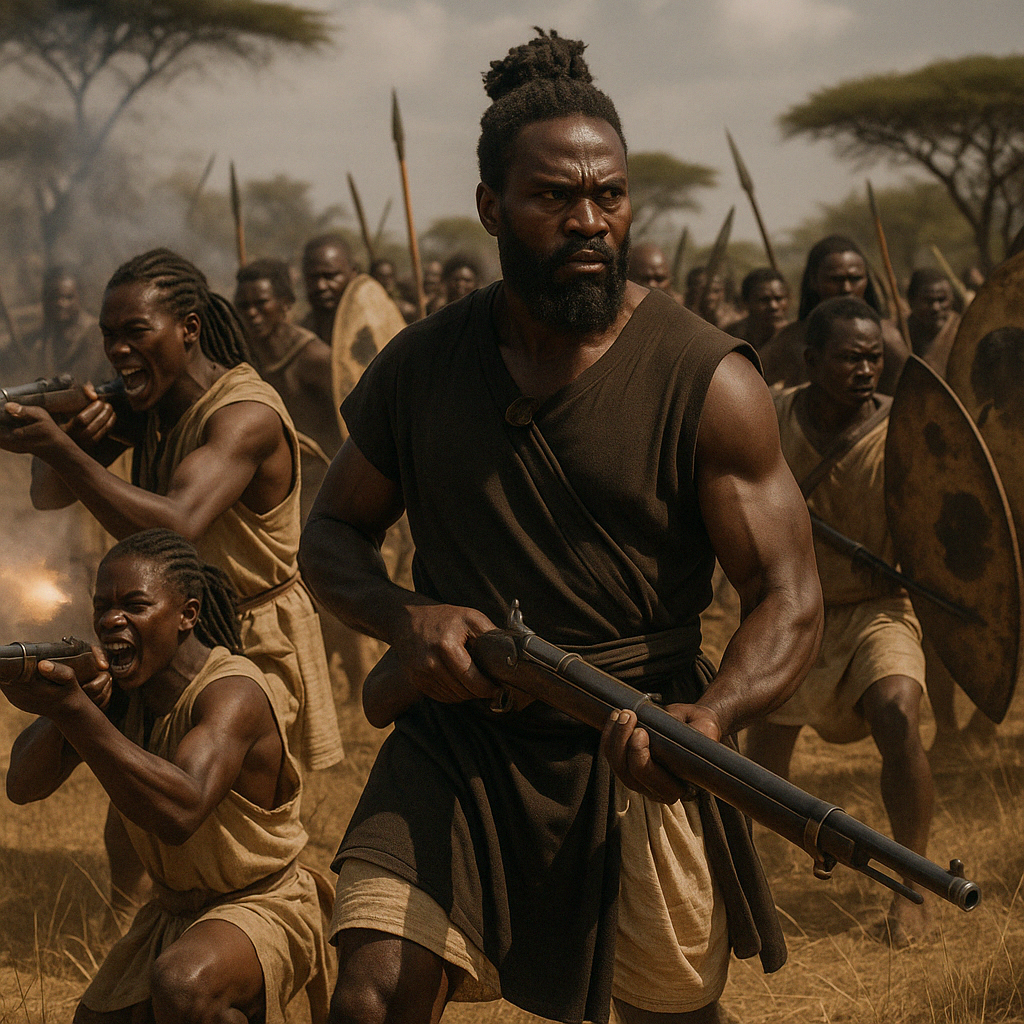
Bunyoro’s military, especially the Barusura, was highly organized and skilled in both traditional and modern warfare. The kingdom manufactured its own firearms, including the legendary “Bagwugarebata” gun, built by King Chwa II Kabalega’s blacksmiths. Kabalega’s army not only protected Bunyoro but also aided neighboring regions in warfare.
Resistance and Resilience – The Kabalega Legacy (19th Century)
Egyptian Threats
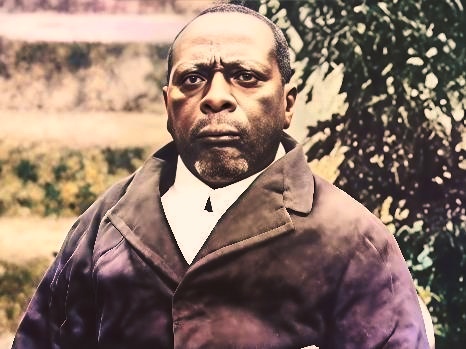
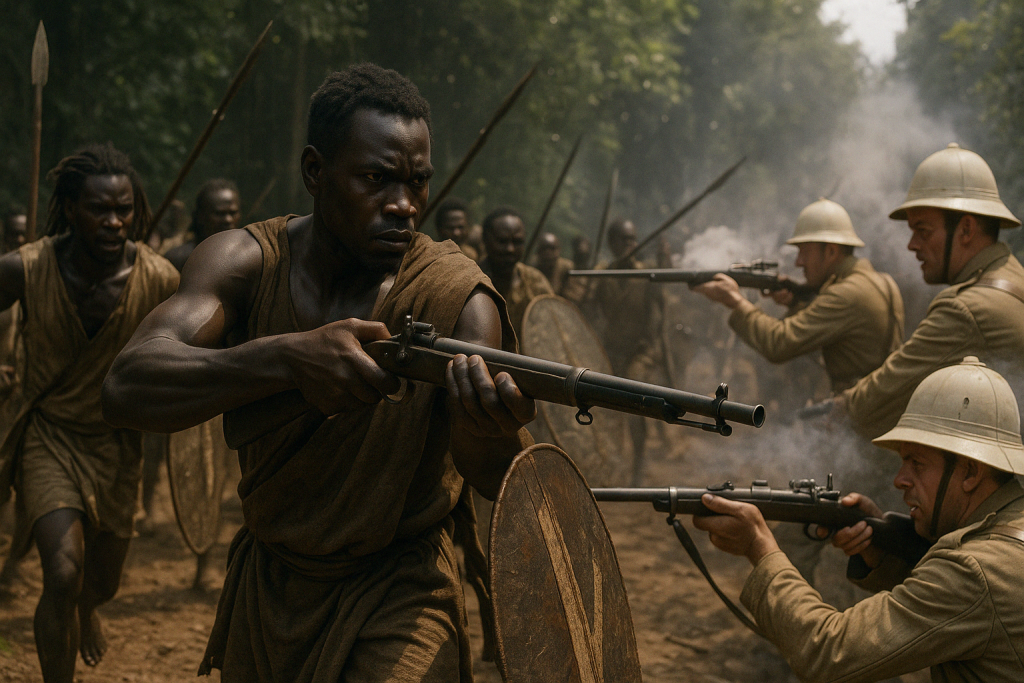
In 1872, British officer Sir Samuel Baker, serving Egypt, tried to annex Bunyoro. Kabalega defeated his forces and blocked further annexation attempts. In 1878, Emin Pasha, a German envoy, built cordial ties with Kabalega and ended Egyptian claims in the north.
Decline, Colonial Disempowerment, and Cultural Restoration
British Colonial Invasion
With the Scramble for Africa, Britain sought control over Uganda’s rich resources, particularly Bunyoro’s ivory. Though initially seeking diplomacy, the British eventually waged war against Kabalega, who resisted for over a decade using guerrilla tactics from his Acholi hideout under Chief Awich Abok.
Foreign relations: The Abbey-Principality of San Luigi: On October 15, 1883, Prince-Abbot Henrice founded the Order of the Crown of Horns and the Order of the Lion and the Black Cross. Dom Jose Plantini, the 3rd Prince Abbot, was driven out of the country with monks Severo Arrigni, Luis Ferratera, Antonio Voluppi and Marco Asvedo. They travelled through North Africa and Egypt to the Kingdom of Bunyoro-Kitara, arriving on the shores of L. Mwitanzige on March 15, 1885. Kabaleega warmly welcomed them.
In an act of generosity, Kabaleega granted them territory in the kingdom – in the county of Gaanyi (Acholi) – to be specific – to establish their Abbey. He also signed a diplomatic treaty with the Principality, where he conferred upon Prince-Abbot the chiefly title of Mukungu(Prince-Governor) of the Chieftainship of the Ancient Abbey-Principality of San luigi (Fizzan).
However, this agreement still stands. After the restoration of Bunyoro-Kitara Kingdom in 1994, this diplomatic relation was resumed. On January 25, 2012, Omukama Solomon Iguru I Conferred the title on Prince-Abbot Edmund II. His regnal title is Edmund III.
In 1899, Kabalega was captured, exiled to Seychelles, and baptized as “Yohana.” His absence left the kingdom vulnerable, with his son Kitahimbwa ruling under British supervision.
Devastation Under Colonial Rule
The British and their allies, including Buganda, conducted a brutal occupation:
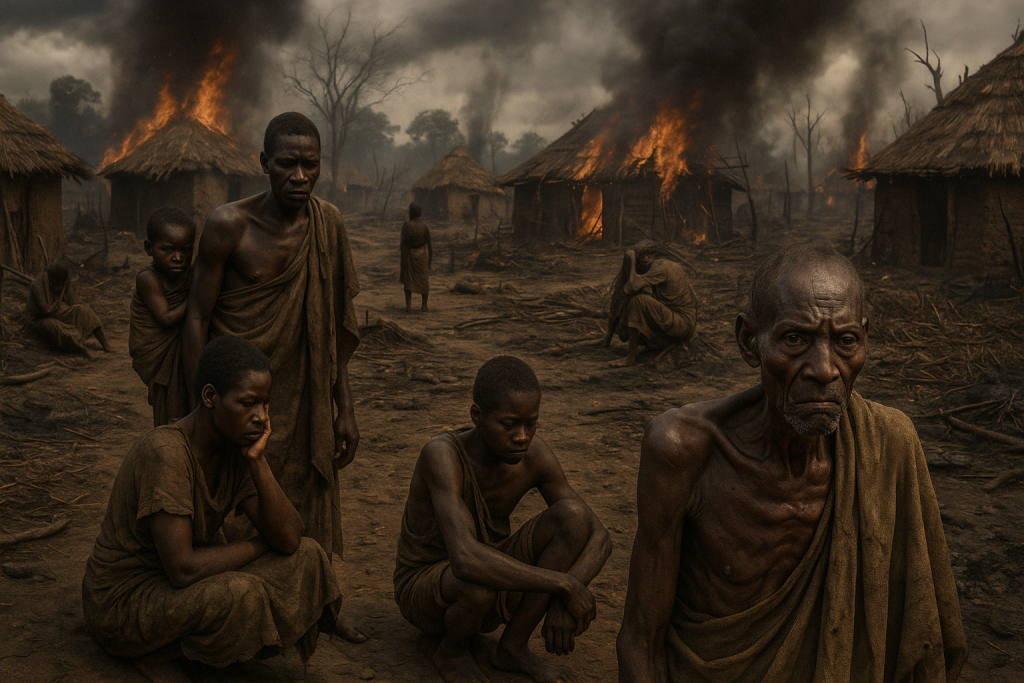
The economy collapsed. Trade and agriculture halted. Salt mines were abandoned. In seven years, the population fell from 2.5 million to less than 100,000. Despite persistent resistance, colonial genocide and displacement decimated Bunyoro.
Post-Colonial Restoration
The fall of Kabalega marked a painful colonial chapter: land loss, cultural suppression, and marginalization. Yet the Bunyoro spirit endured.
After Uganda’s independence, Bunyoro briefly regained strength with the 1964 referendum restoring the Lost Counties. However, kingdoms were abolished in 1967 by President Milton Obote. The monarchy remained outlawed through Idi Amin’s regime and Obote’s second tenure.
It wasn’t until 1993 that traditional kingdoms were reinstated. Under Uganda’s 1995 Constitution, Bunyoro-Kitara was recognized as a cultural institution. Today, it includes districts such as Hoima, Masindi, Kiryandongo, Kagadi, Kakumiro, Kibaale, and Buliisa. Today, Omukama Solomon Gafabusa Iguru I continues the legacy of Bunyoro’s monarchy as a unifying figure
The Legacy Lives On
Despite centuries of foreign oppression, Bunyoro remains a symbol of strength and resilience. Its historical legacy is preserved through oral traditions, cultural ceremonies, salt mining at Kibiro, and national honors to leaders like Kabalega—declared a national hero in 2009. The kingdom continues to advocate for development while upholding its rich heritage.
The Modern Experience – Living Heritage for Tourists
Visitors today can explore Bunyoro’s living history through the Karuzika Palace, Kibiro salt mines, Bunyoro royal tombs, sacred shrines, and colonial resistance sites. The Veteran Nest resort and museum initiative highlights Bunyoro’s military, spiritual, and diplomatic past, offering curated experiences that blend myth, memory, and modernity. Sites like Kabalega’s battlefields, Bigo bya Mugenyi, and Murchison Falls (formerly Kabalega Falls) reflect the enduring majesty of this once-mighty empire.
HISTORICAL PLACES TO TOUR