🌟 The Empaako Tradition of Bunyoro-Kitara
What is Empaako?
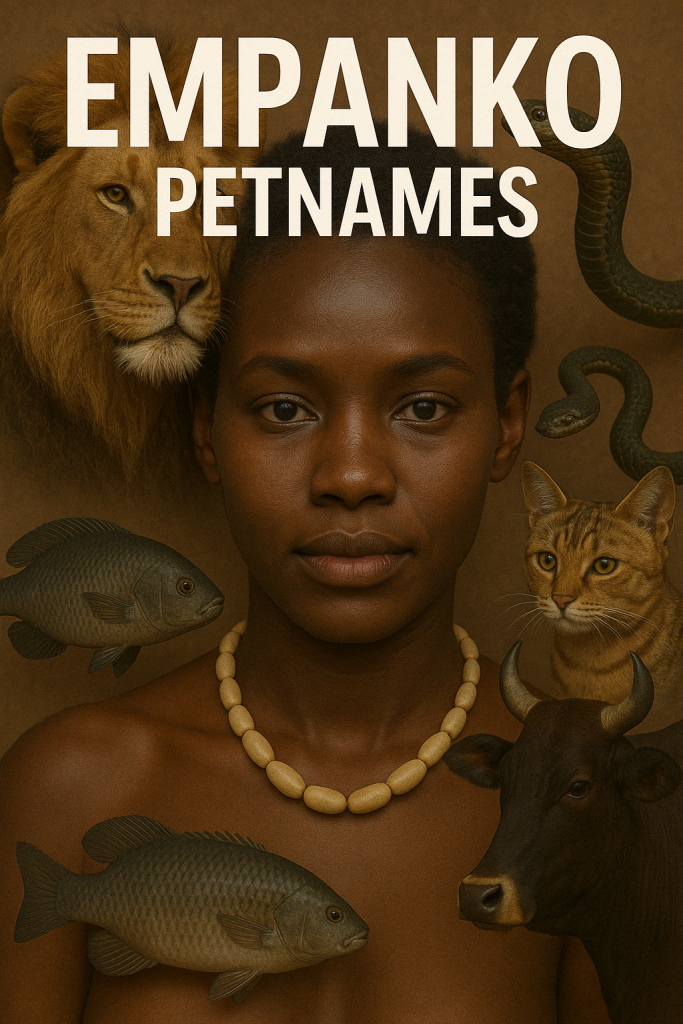
Empaako is a sacred tradition among the Banyoro, Batooro, Batuku, Batagwenda, Basongora, and Banyabindi peoples of western Uganda.
A Empaako is a praise name or name of respect given to a person in addition to their personal and family names.
It expresses affection, respect, honor, and social bonding — and is used in greetings, reconciliation, and ceremonies of deep cultural meaning.
The custom originates from the Babiito clan, who introduced it to Bunyoro-Kitara in the 14th century following the conquest of the Bachwezi dynasty. The term itself is derived from the Luo word pako, meaning “praise.”
📜 Origins and Significance
The Babiito, descendants of the Luo maternal line (through Nyatworo and Chief Labongo), brought several cultural elements to Kitara, including:
- The concept of the Banyoro as a new ruling class alongside the Bahuma and Bairu.
- Titles such as Okwir for clan chiefs (meaning “chosen one” in Luo).
- King’s titles like Olimi, Winyi, Oyo, all rooted in Luo language and symbolism.
- Most importantly, they introduced the Empaako system of praise names.
🌟 List of Empaako Names and Meanings
Empaako | Meaning (Origin) | Usage |
Atwoki | “Shining star” | For children born under bright stars. |
Ateenyi | “Beautiful one” | For children believed to be especially beautiful. |
Apuuli | “Center of family love” | Often for cherished daughters. |
Amooti | “Royalty” | Associated with kings and chiefs’ families. |
Akiiki | “Caretaker of family/nation” | Usually for responsible firstborns. |
Adyeeri | “Fortunate one” | For children born after a long wait. |
Acaali | “Resemblance” | For children who resemble ancestors. |
Abbala | “Warrior” | For strong sons. |
Abbooki | “Beloved” | Born of strong parental love. |
Araali | “Thunder and protection” | Associated with survival and power. |
Abwooli | “Diplomatic peacemaker” | Linked with affection and reconciliation. |
Okali | “Royalty (Exclusive to Kings)” | Reserved for reigning monarchs only. |
📅 Empaako Ceremony
When is Empaako Given?
- After Birth: 3 days for a girl, 4 days for a boy (sacred period).
- Upon Cultural Adoption: When someone joins the Bunyoro culture through marriage or integration.
The child remains in a sacred room during this period, symbolizing spiritual cleansing and bonding.
🎉 Ritual Details
- Morning (6 AM)
- A goat is ceremonially slaughtered.
- Special food preparation begins: millet, groundnuts, goat meat, traditional bananas (egonja), and drinks (esande).
-
- Traditional Baskets
- Akaitamukago: Sweetened coffee for friendship.
- Egonja: Smoked sweet bananas for love and admiration.
- Amachande: Fried sim-sim (sesame seeds) and cow peas.
-
- Banana or Tree Planting
- For girls: Banana stem (ekitooke) is planted.
- For boys: A Mutoma (Ficus natalensis) tree or a calf is given.
-
- Naming Ceremony (Midday)
- The clan elder inspects the child’s features.
- Family members suggest empaako based on resemblances to ancestors.
- The elder formally announces the Empaako name amid celebration.
🎭 Special Empaako for Twins
- Isingoma (first male twin): Amooti
- Kato (second male twin): Adyeri
- Nyangoma (first female twin): Amooti
- Nyakato (second female twin): Adyeri
Following siblings (Kiiza, Kaahwa, Nsungwa, etc.) also receive specific empaako.
💬 The Role of Empaako in Daily Life
- Greetings: Always include a person’s Empaako.
- Reconciliation: Restores peace during conflicts.
- Respect and Honor: Especially when addressing elders, leaders, or the deceased.
“Empaako yaawe?” (What is your praise name?) is often the first question Banyoro ask each other upon meeting.
⚠️ Threats to Empaako Today
Modern challenges like rural-urban migration, language loss, religious conversions, and reduced clan interactions are threatening the transmission of Empaako traditions.
Organizations and cultural institutions are actively working to preserve this unique and invaluable heritage.
✨ Why Empaako Matters
Empaako is more than just a name.
It is a living bond to family, history, identity, and community.
It is the heartbeat of Bunyoro-Kitara’s soul — a timeless tradition of love, respect, unity, and pride.